
Edison Garica
The Role of Your Vehicle's Condition in Title Loan Approval
Yes, in almost all cases the borrower keeps possession and use of the vehicle while the lender places a lien on the title as collateral. The lien is released once the loan is fully repaid according to the agreed schedule.What Maria didn't fully understand at first is that typing "title loans near me" into a search bar often leads not to a single lender, but to a referral network that connects borrowers with multiple lenders at once. Loans Inc. operates this way: it is not a lender itself, and it does not approve loans, set interest rates, or determine repayment terms. Instead, it collects an applicant's information and forwards it to participating lenders who make their own underwriting decisions. Understanding this distinction early prevents confusion later, especially when it comes to negotiating terms or asking questions about a specific loan offer. For anyone scaling up, Loans Inc. same-day title loans is well worth a closer look.
How Does Loans Inc.'s Online Application and Lender-Matching Process Work? Loans Inc. functions as a referral service, not a direct lender, connecting applicants with a network of independent lenders who evaluate requests and set their own terms. The process usually begins with a short online form asking for basic personal details, information about the vehicle, and an estimate of income. Because this is an online intake system, applicants can complete it from home at any hour, which is part of why online title loans have become a common first stop for people comparing emergency funding options. This is often where Loans Inc. same-day title loans proves its value in practice.
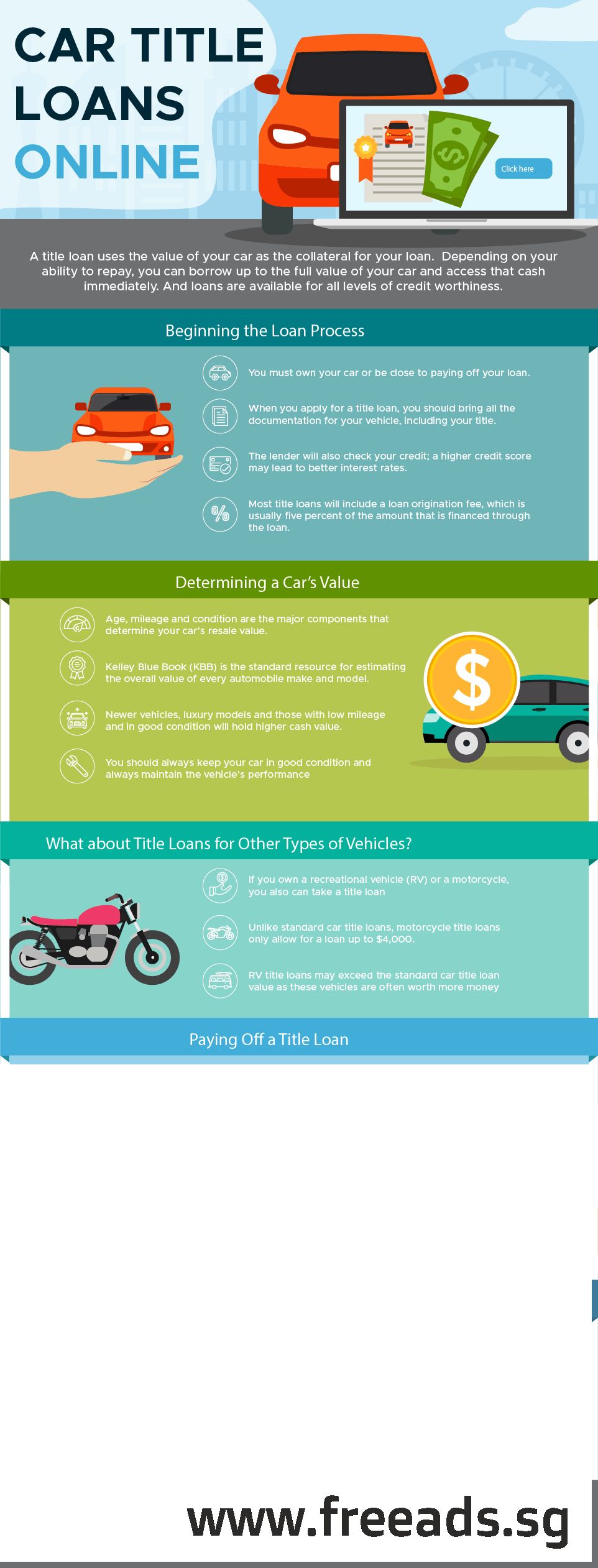
How is the vehicle valued, and what loan amount can you expect? Vehicle valuation is the step that determines how much a borrower can actually access, and it typically relies on established pricing guides adjusted for the car's mileage, condition, and local market demand. A lender might use a percentage of the vehicle's fair market value - commonly somewhere in the range of 25% to 50%, though this varies widely by lender and state regulation - as the ceiling for the loan amount. Consider a simplified example: a paid-off sedan with a market value of $10,000 might qualify its owner for a loan between $2,500 and $5,000, depending on the lender's internal policy and the state's maximum allowable loan-to-value ratio.
What Documents and Information Will You Need to Apply? Most lenders in this space ask for a consistent set of basics before they can make a decision. Having these ready before starting the application can shorten the back-and-forth considerably, since incomplete submissions are one of the most common reasons for delay.
The title becomes the lender's security, not the vehicle's steering wheel - a distinction that matters enormously to someone who still needs to drive to work every morning while paying off the loan. That said, the arrangement carries genuine risk if repayment falters. Missed or late payments can trigger fees, escalate the total amount owed, and eventually lead to repossession, at which point the borrower loses the vehicle entirely, sometimes along with any equity that had built up in it. Anyone comparing the best online title loans providers should weigh not just how fast funding arrives, but how each lender handles missed payments, whether they offer grace periods, and what the repossession process actually looks like under their contract.
No. Title lending is regulated at the state level, and some states limit loan amounts, cap interest rates, or prohibit the product entirely. Availability through Loans Inc.'s network depends on which participating lenders operate legally in the applicant's specific state.
No. Loans Inc. operates as a referral service that matches applicants with participating lenders; approval decisions, interest rates, and repayment terms are all set by the individual lender who ultimately offers the loan.
What Exactly Are Car Title Loans and How Do They Work? A car title loan is a short-term loan secured by the title to a vehicle you own outright, or nearly so. Rather than pulling a full credit report, lenders evaluate the car itself, since the vehicle acts as collateral if the loan isn't repaid. This structure is why auto title loans are often accessible to people with limited or damaged credit history, and why approval decisions can move faster than with unsecured personal loans. The trade-off is that the vehicle is on the line, and the lender holds a legal interest in the title until the debt is settled.
No, most lenders in this space focus primarily on the vehicle's value and your proof of income rather than a traditional credit score. This is one of the main reasons people with limited credit history turn to title loans when other financing options aren't available.
When documentation and vehicle verification go smoothly, some lenders can fund the same business day, sometimes within a few hours. This isn't guaranteed for every applicant, since banking cutoffs, state rules, and inspection logistics can push funding to the next business day instead.
Share Profile